How an Electric Milk Boiler Machine Supports Efficient Dairy Processing
Lambotech International is a trusted Electric Milk Boiler Machine Manufacturer in India, offering hygienic and efficient milk boiling solutions for dairy farms, sweet manufacturing units, milk processing plants, and food industries. Our electric milk boiler machines deliver uniform heating, easy operation, and reliable performance for daily dairy processing.
Milk is unforgiving of sloppy temperature management. Heat it too fast and you scorch the bottom, affecting flavour and creating a cleaning problem that takes longer to deal with than the time you saved by rushing. Heat it unevenly and you get inconsistent pasteurisation.
Let it sit too long at temperature and the protein structure changes in ways that affect downstream processing. For anyone running a dairy business, a sweet production unit, or a food processing operation that handles milk regularly, these are not theoretical concerns. They are the daily reality of working with a temperature-sensitive product.
Manual heating over a conventional flame deals with all of these challenges through constant human attention. Someone watching the pot, adjusting the heat, stirring to prevent settling, checking temperature. For a small occasional batch that might be acceptable. For a business processing milk regularly across multiple batches every day, it is an inefficient use of labour and an inconsistent approach to a process that benefits from consistency.
What Electric Heating Actually Changes
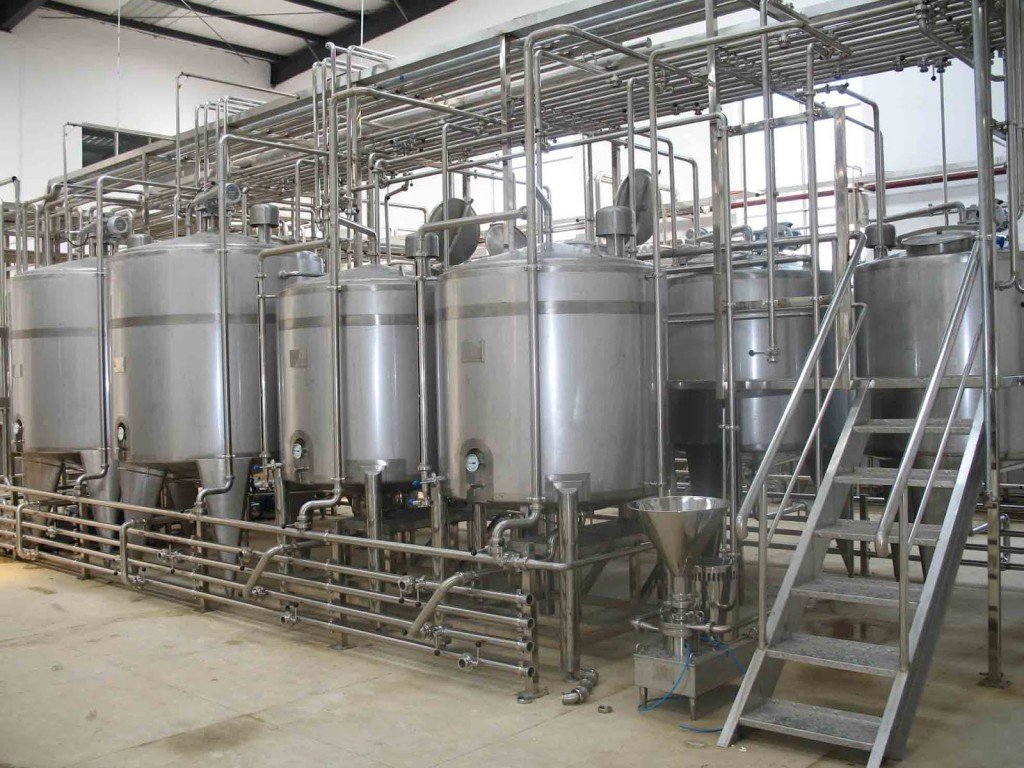
An electric milk boiler provides controlled, uniform heating that does not depend on an operator watching and adjusting throughout the process. The heat source is consistent. The temperature can be set and maintained. Distribution is even rather than concentrated at the base the way direct flame heating tends to be.
For dairy businesses and food manufacturers, this consistency has practical value that compounds across repeated batches. When the heating process follows the same controlled parameters every time, the product coming out of the boiler behaves predictably in the next stage of processing. Sweet manufacturers who process large quantities of milk for khoa, paneer, or mithai understand this particularly well. A consistent raw material going into the cooking process means a more consistent finished product coming out.
The operational convenience of electric heating also changes how the equipment fits into the production workflow. There is no fuel management, no open flame in a food processing environment, no adjustment for varying flame intensity. The equipment operates consistently and the operator can focus on other production tasks rather than monitoring the heating process continuously.
Capacity Is the Starting Point for Equipment Selection
The first practical question when evaluating a milk boiler is daily production volume. How much milk needs to be processed per batch, and how many batches run in a typical working day? These numbers determine the minimum capacity required.
Buying equipment significantly below production requirements means running more batches than necessary, which increases total processing time and places more wear on the equipment than it was designed for. Buying significantly more capacity than needed means the equipment never reaches its efficient operating range and the capital investment is not being used effectively.
The right capacity is matched to actual production requirements with enough headroom for the busier days rather than being sized for the absolute minimum or the theoretical maximum.
Construction Standards Matter in Food Processing
Machinery which is expected to come in contact with milk should be built according to food processing specifications. The use of food grade stainless steel on milk contact parts is a specification because this material does not react with milk, will not harbor bacteria within its surface roughness, as other materials would, and can be thoroughly cleaned using the sanitization techniques employed in the dairy industry.
The design of machinery should prevent the formation of crevices, which may accumulate residues of milk and cause hygiene issues during the cleaning process. Machinery that is easy to clean is not just a luxury; it is a necessity in food safety terms.
An experienced Electric milk boiler machine manufacturer who understands dairy processing environments designs these features in from the beginning rather than treating hygiene as an afterthought.
After-Sales Support Is Part of the Investment
Maintenance will eventually be required when there is a machine that is used daily in a manufacturing environment. The issue is whether the maintenance work can be done quickly using available spare parts and manufacturer’s assistance, or it will result in a shutdown as they wait for the spare parts.
It will be much better to ask these questions prior to purchasing the machine rather than finding out their answers after installation.
Conclusion
An electric milk boiler machine can make dairy processing more consistent, efficient, and easier to manage. Controlled heating helps reduce the risk of scorching, uneven temperature distribution, and unnecessary manual monitoring. For dairy farms, sweet manufacturing units, milk processing plants, and food businesses, selecting the right capacity, hygienic construction, easy clean design, and reliable after sales support is essential.
Choosing a trusted Electric Milk Boiler Machine Manufacturer ensures that the equipment matches your production requirements and supports smooth daily operations. With the right milk boiler, businesses can improve process consistency, reduce labour involvement, and maintain better control over milk heating and downstream dairy production.